
How Air Compressors Work and What You Should Know Before Using One
Key Takeaways
- Clear knowledge of pressure flow helps you avoid uneven output and keeps tasks controlled.
- Choosing the right unit based on power and size prevents delays and frequent restarts.
- Regular draining and filter checks keep performance steady and avoid internal damage.
- Safe handling of hoses and valves reduces risks while keeping the system predictable.
Introduction
Working with compressed air can feel strange at first, yet once the basics settle in, everything starts to make sense quickly. Interest continues to grow as more people handle small projects and repairs, with demand rising for reliable air compressors in Singapore across home and workshop settings. A clear understanding of how pressure builds and releases helps you stay in control, avoiding uneven output or sudden interruptions. With a bit of familiarity, the machine stops feeling intimidating and starts behaving like a dependable tool that responds exactly when needed.
Understanding the Core Process
How Air Gets Compressed
Air enters the system through an intake valve, where a moving component begins to reduce the space around it. As the volume shrinks, pressure rises, storing energy inside the system. Each cycle adds another layer of compressed air, gradually filling the tank. Once released, that stored pressure travels through hoses to power tools with a quick burst of force that feels almost instant.
What Happens Inside the Tank
Stored air sits tightly packed inside the tank, waiting for a release point. Valves control how much pressure escapes, keeping the flow stable during use. Heat builds during compression, which leads to moisture forming inside the tank. Regular draining clears that moisture out, preventing rust or unwanted water from reaching your tools and affecting performance.
Key Components You Should Recognise
Motor, Pump, and Tank Roles
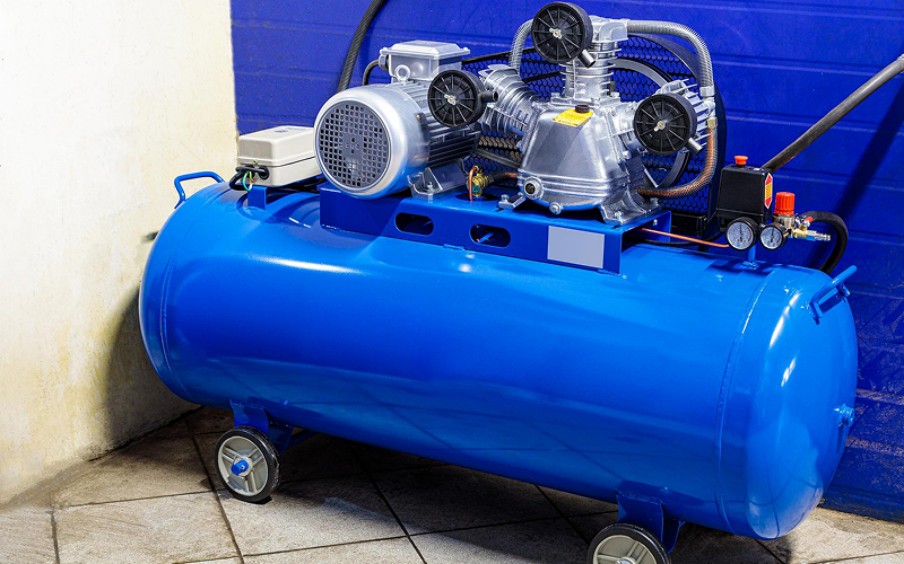
Every unit relies on a simple trio. The motor drives the motion, the pump handles compression, and the tank holds the pressurised air. When browsing different setups, most buyers comparing air compressors in Singapore focus on how these three parts interact during use. A weak motor paired with a large tank can slow things down, while a strong pump with a small tank may lead to frequent stops.
Gauges, Valves, and Controls
Pressure gauges show how much air sits inside the tank at any moment. Valves adjust how that pressure moves through the system, preventing sudden surges. Control switches manage power and output levels with a simple flick. A quick glance at these components gives a clear idea of how the system is behaving, helping you react before small issues turn into larger problems.
Choosing the Right Setup Before Use
Matching Power to Your Task
Different tasks call for different pressure levels, so picking the right unit makes a noticeable difference. Inflating tyres or using light tools requires modest output, while painting or heavier equipment needs stronger pressure. Across various setups, performance differences among air compressors in Singapore come down to tank size and output capacity.
Portable vs Stationary Units
Mobility shapes how you work with the machine. Smaller units move easily from one spot to another, making them practical for quick jobs. Larger stationary systems stay fixed in place, handling longer sessions without frequent pauses. A choice between the two depends on how your workspace is arranged and how often you shift positions during tasks.
ALSO READ: Is Your Air Compressor the Right Size? Key Factors That Affect Performance
Safety and Practical Use Tips
Handling Pressure Safely
Pressurised air can react quickly if handled carelessly, so proper setup matters from the start. Secure connections prevent leaks or sudden hose movement during operation. After finishing a task, releasing remaining pressure reduces strain on internal parts. While comparing features, safety elements found in air compressors in Singapore such as pressure cut-offs help maintain control.
Keeping Performance Consistent
Clean filters help maintain steady airflow, while regular draining keeps moisture from building up inside the tank. Small checks done regularly help avoid uneven pressure or unnecessary wear. A bit of routine care keeps the system predictable, turning each use into a smooth process without interruptions or unexpected drops in performance.
Conclusion
Clear knowledge of how an air compressor works makes each task easier to manage, removing uncertainty and keeping results consistent. Familiarity with key parts and pressure flow builds confidence during operation, helping you work with control from start to finish. Choosing the right setup and maintaining it properly keeps performance steady over time, with dependable options available through air compressors in Singapore for different needs.
Contact Beng Chuan Machine today to explore reliable options and get started with equipment that fits your needs.