
Emergency Fund Planning: How Much Money Should You Keep Aside?
Many people think financial planning starts with investment. But in real life, it should start with safety. Before SIP, stocks, property, gold, or tax-saving investments, every family should first build an emergency fund. This is one basic rule that even the top financial planners in India usually focus on, because without emergency money, even a good investment plan can get disturbed.
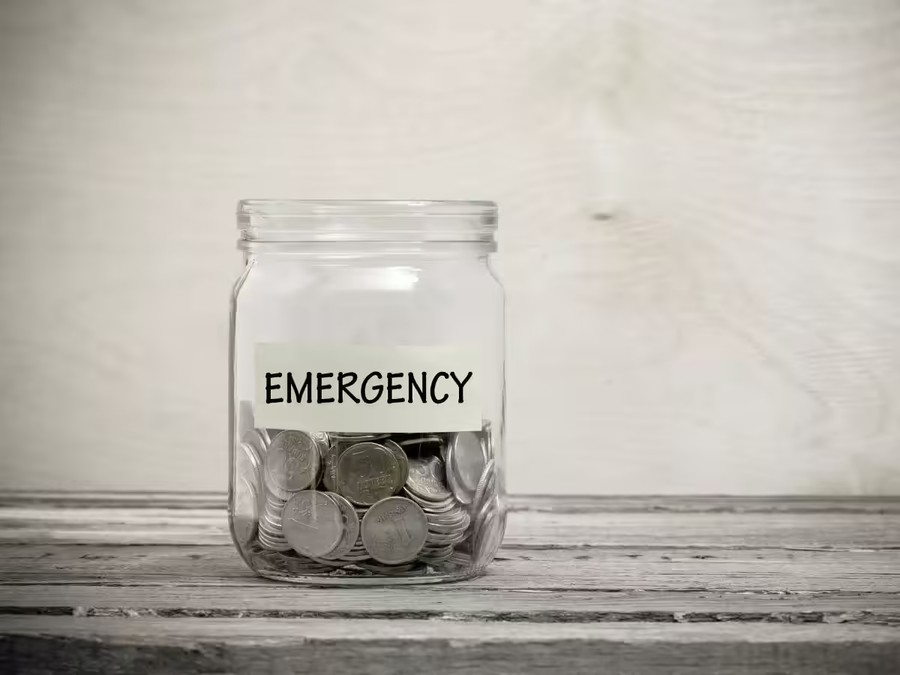
An emergency fund is money kept aside for sudden situations. It is not for shopping, holidays, festivals, or lifestyle spending. It is for moments when life does not go as planned.
Why Emergency Fund Is Important
Life can change suddenly. A job loss, medical emergency, business slowdown, urgent travel, house repair, car repair, or family responsibility can come without warning. If there is no emergency fund, people usually do three things.
They break long-term investments.
They use credit cards.
Or they take personal loans.
All three can create pressure.
If you break investments too early, your long-term goals suffer. If you use credit cards and cannot pay on time, interest becomes very high. If you take a personal loan, EMI starts eating future income.
That is why emergency money should be ready before problems come.
How Much Emergency Fund Is Enough?
There is no fixed amount for everyone. A bachelor, a married person, a family with children, and a retired couple will all need different amounts.
Still, a simple rule can help.
Keep at least 3 to 6 months of basic expenses as an emergency fund. If your income is unstable, business-based, freelance-based, or commission-based, then keeping 9 to 12 months of expenses is better.
Basic expenses may include:
- Rent or home loan EMI
- Groceries and household expenses
- School fees
- Insurance premium
- Utility bills
- Medicine and medical support
- Loan EMIs
- Parents’ basic support
Do not calculate only your personal expenses. Our goals are not always individual goals. Parents’ medical support, children’s education, home loan, retirement, marriage expenses, and sometimes family responsibilities also come into the picture.
Where Should You Keep Emergency Money?
Emergency fund should be safe and easily available. It should not be locked for a long time.
You can keep it in:
- Savings account
- Sweep-in FD
- Short-term fixed deposit
- Liquid fund, if you understand the risk
The purpose of this money is not high returns. The purpose is availability. If money is needed tomorrow morning, you should be able to access it without stress.
Emergency Fund and Insurance Are Different
Many people think health insurance is enough. But health insurance and emergency fund are different.
Health insurance helps with hospital bills. Emergency fund helps with other situations also. Job loss, travel, home repair, temporary income gap, or urgent family needs may not be covered by insurance.
Some money should protect the family through health and term insurance. Some should go towards investments. And some should stay aside for emergencies.
All three have different roles.
Emergency Fund for NRIs
For NRIs, emergency planning needs more care. Many NRIs earn abroad, but parents, property, investments, and family responsibilities may still be in India. This is why the top financial planners in India for NRIs often suggest keeping emergency money in both places.
One part should be available in the country where the NRI lives. Another part can be kept in India for parents, property maintenance, medical needs, or sudden family situations.
Final Thought
Everyone should try to increase income. But if there is no planning, higher income can also get wasted. Financial planning gives direction to your money and discipline to your financial life.
An emergency fund may look simple, but it gives strong financial confidence. When sudden expenses come, you do not panic. You handle the situation calmly, without disturbing your long-term investments.