Can SMEs Benefit from a PPA or Is It Only for Large Corporations?
Key Takeaways
- A PPA is not limited to large corporations; SMEs can access it under the right conditions.
- Working with a solar company in Singapore allows SMEs to adopt solar without upfront capital.
- Suitability depends on roof space, energy demand, and contract flexibility.
- SMEs must assess long-term commitments, pricing terms, and operational fit before signing.
Introduction
Power Purchase Agreements (PPAs) are often associated with large corporations that have the scale and resources to support long-term energy contracts. However, the model has evolved, and SMEs are increasingly exploring whether a PPA in Singapore can fit their operational and financial structure. The core appeal is straightforward: access to solar energy without upfront investment. The question is whether this structure genuinely works for smaller businesses or if it remains better suited to large-scale users.
How a PPA Works for SMEs
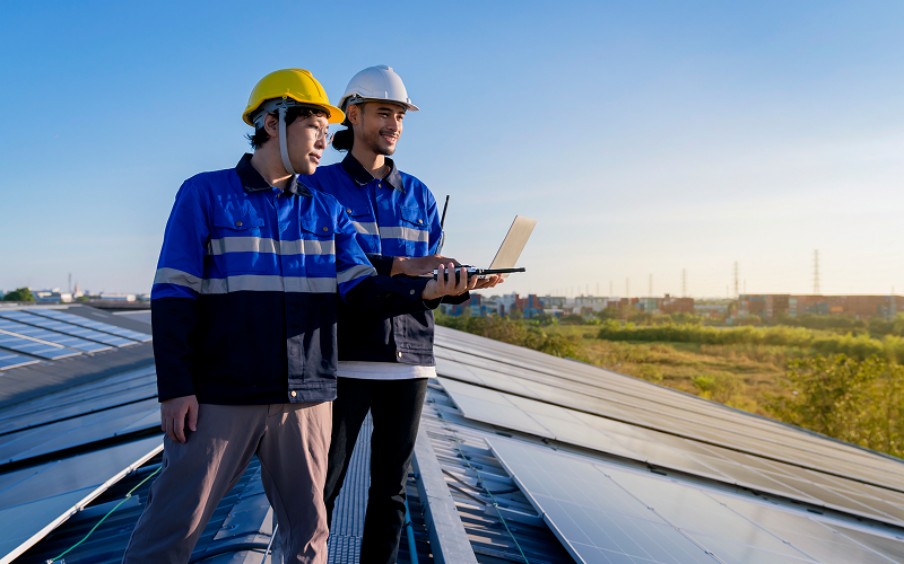
A PPA allows a business to consume electricity generated by a solar system installed on its premises or nearby, without owning the system. A solar company finances, installs, and maintains the system, while the SME agrees to purchase the generated electricity at a predetermined rate over a fixed period. This arrangement removes capital expenditure, which is a major barrier for SMEs. Instead of investing in infrastructure, the SME shifts to an operational expense model tied to energy usage.
This structure provides pricing stability, particularly for SMEs with predictable electricity consumption. However, unlike large corporations, SMEs may have more variable demand patterns, making it essential to match system size and contract terms carefully.
Financial Considerations and Cost Efficiency
Cost savings are a primary driver for adopting a PPA, but SMEs must evaluate the numbers in detail. While the tariff offered by a solar company is typically lower than grid electricity rates, the difference may not always be significant enough to justify a long-term commitment if energy usage is inconsistent.
SMEs also need to consider escalation clauses, which may increase the PPA rate over time. These clauses can affect long-term savings, particularly if market electricity prices fluctuate. Additionally, SMEs should assess whether their operational timeline aligns with the PPA duration, which often ranges from 10 to 20 years. A mismatch can create contractual complications.
Operational and Space Requirements
Not all SMEs are suitable candidates for a PPA due to physical and operational constraints. Roof space is a key factor, as the solar system must generate enough electricity to make the agreement viable for both parties. Businesses operating in leased properties must also secure landlord approval, which can delay or limit implementation.
A solar company in Singapore will typically conduct a site assessment to determine feasibility, including structural integrity, shading, and orientation. SMEs with limited space or irregular operating hours may not achieve optimal system performance, reducing the overall benefit of the PPA arrangement.
Risk and Contractual Commitment
A PPA involves a long-term contractual relationship, which can introduce risks for SMEs with uncertain growth or relocation plans. Unlike large corporations with stable premises, SMEs may expand, downsize, or move locations, making fixed agreements less flexible.
It is essential to review termination clauses, transfer options, and buyout conditions when engaging a solar company. These terms determine how easily an SME can exit or adapt the agreement if business circumstances change. Remember, without proper evaluation, the PPA can become a constraint rather than a benefit.
Conclusion
A PPA is not exclusive to large corporations, but it is not universally suitable for all SMEs either. The model offers clear advantages, particularly in reducing upfront costs and providing energy price stability. However, SMEs must assess financial viability, operational fit, and contractual flexibility before proceeding. Working with a solar company in Singapore can make solar adoption accessible, but the decision should be based on detailed analysis rather than assumptions about cost savings alone.
Contact LHN Energy to take control of your energy costs without an upfront investment.