
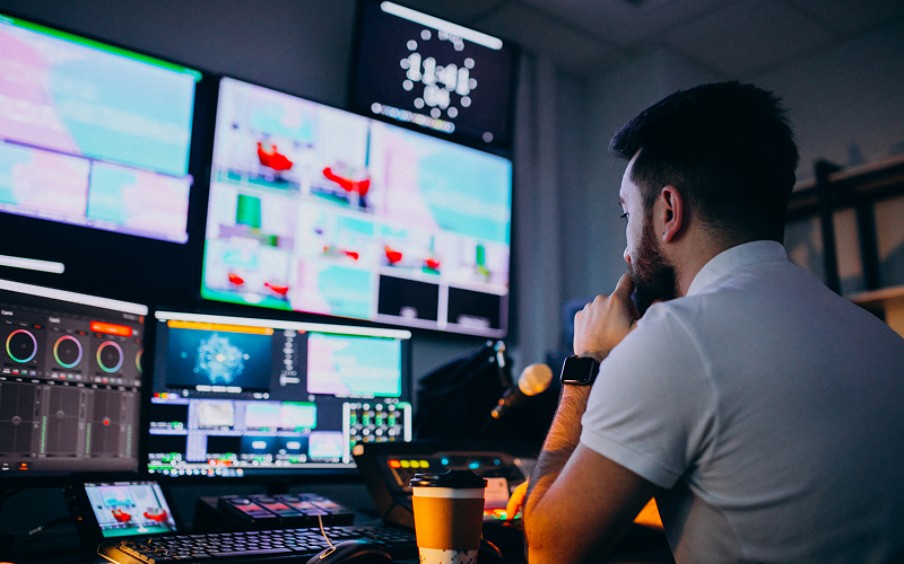
The Ultimate Guide to Audio Visual Solutions and Live Streaming for Modern Events
Key Takeaways
- Events today are shaped as much by technology as by content
- Audiovisual solutions influence audience perception and engagement
- Live event video streaming services extend reach beyond physical venues
- The real advantage lies in how these tools reshape experiences, not just deliver them
Introduction
Whether it is a corporate conference, product launch, or hybrid seminar, the integration of audiovisual solutions and live event video streaming services has quietly redefined what it means to host and attend an event. Most discussions focus on equipment and technical specifications. The more compelling angle lies in how these technologies reshape audience expectations, communication strategies, and the overall value of an event. By shifting perspective, it becomes possible to see these tools not as add-ons, but as central elements that influence how events are experienced and remembered.
Why Delivery Matters as Much as Content
Audiences expect information and engagement. Audiovisual solutions, lighting, sound clarity, screen visuals, and staging all contribute to how a message is received. A well-designed setup ensures that presentations are heard, understood and retained. Meanwhile, live event video streaming services extend this experience to remote audiences, allowing them to participate in real time rather than passively consume recorded content. Even the most compelling content can lose impact if presented poorly. Thoughtful execution can elevate otherwise simple messages into engaging experiences.
From Local Events to Global Conversations
Live event video streaming services have expanded venue capacity and location, enabling organisers to reach audiences beyond physical constraints. A seminar held in one city can now be accessed globally, creating opportunities for wider participation and collaboration. This expanded reach introduces diversity in audience engagement. Participants can interact, ask questions, and contribute perspectives to enrich the overall experience. Audiovisual solutions support this by ensuring that both in-person and virtual attendees receive consistent quality in sound and visuals. By viewing events as platforms for global interaction, organisers can unlock new possibilities for growth and influence.
The Subtle Power of Real-Time Engagement
One overlooked aspect of live event video streaming services is their ability to create real-time interaction. Features such as live chat, audience polling, and Q&A sessions allow remote participants to engage actively. This interactivity changes the dynamics of an event. It encourages participation, fosters connection, and creates a sense of inclusion. When supported by effective audiovisual solutions, these interactions feel seamless, bridging the gap between physical and digital audiences. From a strategic perspective, this level of engagement can lead to better audience retention and more meaningful feedback. It transforms events into two-way conversations rather than one-directional presentations.
Consistency Across Platforms
As events become hybrid, maintaining consistency across different platforms becomes essential. Attendees, whether on-site or online, expect a similar level of quality and clarity. Integrated audiovisual solutions and live event video streaming services ensure remote participants feel connected. At the same time, on-site audiences benefit from enhanced visuals and sound systems that improve overall comprehension. Consistency in delivery can significantly influence audience satisfaction. When both physical and virtual experiences align, it reinforces the professionalism and credibility of the event.
Learning Audience Behaviour
Unlike traditional events, digital platforms provide measurable insights into audience behaviour, such as viewing duration, engagement levels, and interaction patterns. These insights allow organisers to refine future events, tailoring content and delivery to meet audience expectations. Audiovisual solutions complement this by enabling adaptable setups that can evolve based on feedback and performance metrics. This data-driven approach shifts event planning from intuition to informed decision-making. It enables continuous improvement, ensuring that each event builds on the success of the previous one.
Risk Management and Reliability
Events involve multiple variables, and technical issues can disrupt even the most carefully planned programmes. Reliable audiovisual solutions help mitigate these risks by providing stable equipment and a professional setup. Similarly, live event video streaming services include contingency measures such as secondary streams or recording options. These features ensure that content remains accessible even in the event of unexpected issues arising. This focus on reliability underscores the importance of preparation and professional execution. It highlights that successful events are not only about creativity but also about managing potential challenges.
Conclusion
The true value of audiovisual solutions and live event video streaming services lies in their technical capabilities and in how they reshape the way events are experienced. By shifting perspective, it becomes clear that these tools are operational components and strategic assets that influence engagement, reach, and overall effectiveness. From enhancing delivery and enabling global participation to providing data-driven insights and ensuring reliability, these solutions offer a comprehensive approach to modern event planning. The key is to view them not as optional enhancements, but as integral elements of the event experience.
For those exploring ways to elevate their events, contact Media Architects and have a clearer understanding of how technology can support both creativity and practicality today.