Why Chassis Tracking Matters for Intermodal Supply Chains
Moving goods efficiently involves more than just trucks and ships; it depends on the equipment that connects them. When trailers are delayed or misplaced, cargo transfer slows and affects the entire supply chain. Real-time chassis tracking gives logistics managers a clear view of trailer availability and location, making it easier to coordinate operations and keep schedules on track.
Below are several ways chassis tracking improves intermodal supply chain performance:
Visibility and Operational Efficiency
Intermodal supply chains require coordination between ships, trucks, and trains. Delays in locating equipment can create bottlenecks that ripple across the network. Implementing tracking solutions provides immediate insight into trailer movements, helping logistics teams to assign equipment where it is most needed. For example, knowing that a unit is running late can prevent unnecessary waiting and allow teams to adjust operations accordingly.
Reducing Equipment Bottlenecks
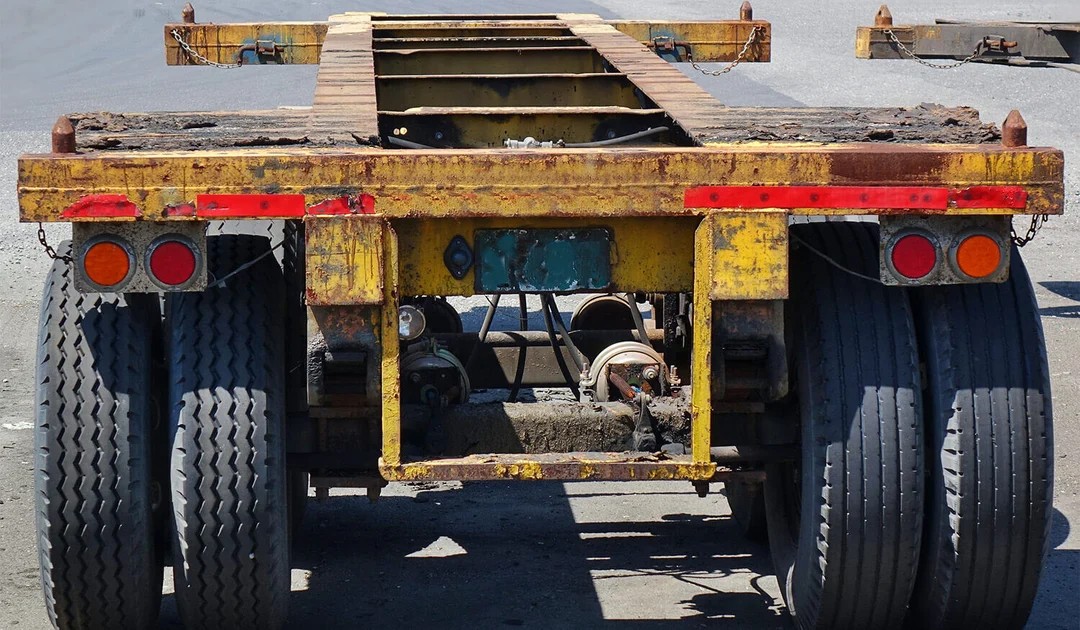
A shortage of usable flatbed chassis can bring operations to a halt, forcing trucks to wait while cargo remains uncollected. With tracking systems, each chassis is monitored throughout its journey, and managers receive alerts when a unit is approaching a terminal or becomes overdue. This visibility prevents overlapping assignments and reduces congestion at depots. By doing that, companies can allocate chassis efficiently, ensuring containers move promptly and reducing storage or demurrage costs.
Enhancing Predictive Planning
Chassis tracking also supports smarter planning. By analyzing historical usage patterns, logistics teams can anticipate peak demand periods and position equipment in advance. This approach keeps operations running smoothly, avoids last-minute scrambling, and helps labor and drivers stay productive without unnecessary downtime. Essentially, it allows supply chains to act ahead of challenges rather than react to them.
Strengthening Customer Reliability
Operational visibility goes beyond internal coordination; it influences the customer experience, too. Knowing the location of a shipping container trailer enables accurate delivery estimates and minimizes missed appointments or backlogs. When operations run reliably, trust grows between carriers, shippers, and clients, reinforcing a reputation for timely, dependable service.
Driving Cost Efficiency
Untracked or misplaced trailers increase operational costs through added labor, wasted fuel, and extended storage fees. Maintaining real-time oversight helps minimize these expenses while improving overall throughput. Streamlined equipment management ensures better utilization of assets and predictable scheduling, supporting both operational efficiency and financial performance.